Wednesday, October 28, 2009

Stress Fractures

An incomplete break in the bone caused by overuse is known as a stress fracture. Symptoms include pain, swelling, and redness. Up to 15% of all sports injuries are stress fractures. A podiatrist needs to perform an examination and look at X-rays of the injury in order to diagnose a stress fracture. Treatments include immobilization of the foot with the use of a cast, medications, and in some cases orthotic devices to prevent further injury.

Tuesday, October 06, 2009

Plantar Fasciitis in the Public Eye

Eli Manning, the quarterback for the New York Giants football team, has been diagnosed with plantar fasciitis after injuring his right heel in the fourth quarter of the Giants' win over Kansas City. He has been reported to have pain, and inflammation/swelling around his heel.

Plantar fasciitis is the inflammation of the plantar fascia, the tendon which connects the heel to the toes along the bottom of the foot. This injury is common not only for athletes. It is often the result of overuse, acute trauma (like in Manning's case), wearing footwear without adequate supports, and working/standing/walking on hard surfaces. The condition is usually conspicuous through symptoms like pain in and around the heel and bottom of the foot, tightness in the arch of the foot, and swelling and inflammation of the heel and tendon. Often people experience the pain from this injury in the morning, and it subsides as the tendon stretches out during the course of the day. It is also common to experience pain after sitting (resting) and getting back up after being on your feet for extended periods.

There are a number of treatments for plantar fascia. Taping can help relieve the pressure on the tendon, as can wearing a night splint over night to avoid tightening of the tendon. Often a stretching program or physical therapy can help strengthen the plantar fascia. Orthotic inserts for the patient's shoes are a very common treatment as well, and they tend to be effective even in difficult cases. Cortisone shots are also recommended frequently. Our office also offers APC (autologous platelet concentration) injections and ESWT (electronic shock wave therapy) to aid in sever cases of plantar fascia. The APC injection helped Hines Ward return from a knee injury just in time to aid the Steelers in their 2009 Superbowl win. One or a combination of these treatments could help Manning return to good playing condition and reduce his pain throughout the season.

If you are experiencing pain from plantar fascia, or any foot pain, do not hesitate to contact our office. Many people delay the treatment of this condition because they think they need to just bear the pain. This is not true. There is no reason to suffer when we can help you find relief.

Friday, September 11, 2009

Sprains and Heel Pain

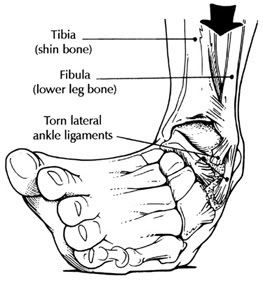
An ankle sprain occurs by stretching or tearing one or more ligaments on either or both sides of the ankle. Ignoring a sprain won't help it heal any faster. Ankle injuries that are serious enough to cause disabling pain should be treated by a podiatrist. Further examination may even reveal a torn ligament or bone fracture. Common treatments for sprains include rest, elevation, compression, and ice. More serious sprains may call for crutches or other walking devices.

Wednesday, August 26, 2009

Podiatrists and Heel Pain

What can a podiatrist do about heel pain? We must first answer the question "What is a Podiatrist"? A podiatrist is a specialist who focuses on your feet and ankles. They are quite simply "The Experts" on your feet, heels, and ankles and should be the very first doctor you call when you experience pain or other problems with them.

The DPM after a podiatrist's name stands for Doctor of Podiatric Medicine. Most people know that podiatrists deal with foot, heel, and ankle problems and work with seniors, or diabetics, or people with poor circulation; what most people don't know is that podiatrists treat patients of all ages. A podiatrist is also well-qualified to help children and young adults with the problems they can experience with their feet, heels, and ankles.

Podiatrists are required, just like any other doctor, to be licensed by the state in which they practice. When medically necessary, podiatrists perform surgery to correct or remedy problems. Before we recommend surgery, we will explore the many conservative therapies and remedies that are available for our patients and then recommend the very best course of treatment. As medical science advances and new therapies become available to the public, podiatrists are increasingly able to offer their patients some of the most state-of-the-art care available.

Monday, August 24, 2009

Stress Fractures and Heel Pain

An incomplete break in the bone by overuse is known as a stress fracture. Symptoms can include pain, swelling, and redness. Up to 15% of all sports injuries are stress fractures. A podiatrist needs to perform an examination and look at X-rays of the injury in order to diagnose a stress fracture. Treatments include immobilization of the foot with the use of a cast or walking boot, medications, and in some cases orthotic devices to prevent further and future injuries.

Wednesday, August 19, 2009

Sever's Disease

The most frequent source of heel pain in children between the ages of 9 and 15 is Sever's Disease. It is caused by an inflammation of growth plates in the back of the heel sue to rapid bone growth and is most often seen in children who participate in athletics. With this condition, pains is usually felt at the back and side of the heel bone or even the bottom of the heel. Pain usually worsens when the heel bone is squeezed or when the child is running or jumping. Podiatrists are trained to treat patients of all ages and it is important to have your child examined if they are complaining of heel pain or limping.

Wednesday, August 05, 2009

Heel Bumps

Also known as Haglund's Deformity, heel bumps are a bone enlargement on the back of the heel bone. They usually occur for athletes when the shoes they wear rub up against the heel, and they can be aggravated by the height or stitching of a heel counter of a particular shoe. The result is a painful bump or bumps on the heel that make exercising very difficult. Another term used for this condition is pump bump because it can frequently occur with the wearing of high heels as well.